
Manufacturing & quality
Manufacturing & quality
Orthodontic instruments are small, repeatedly used and reprocessed between patients. Consistency between units and a reliable working action matter more than any single headline figure. This page describes how Lead Orthodent approaches that; documentation is available on request.
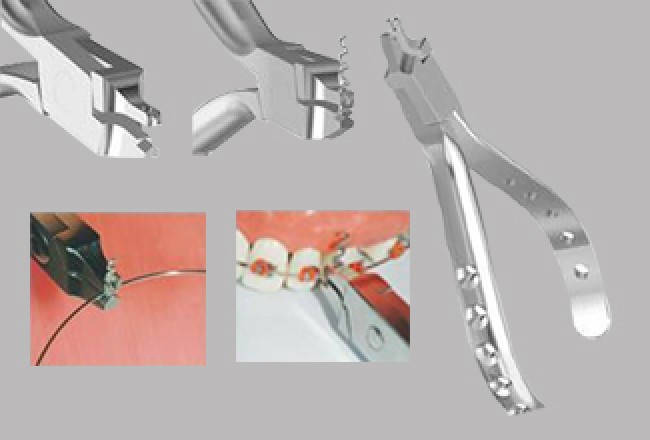
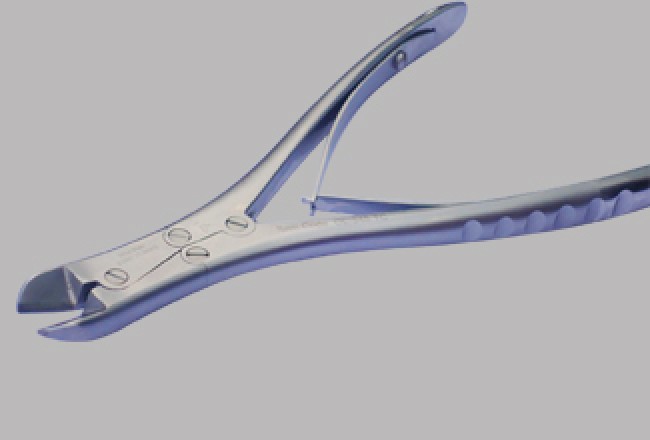
Capabilities
A specialist orthodontic instrument workshop
Machinery, staffing and process details are shared with serious buyers under a specific enquiry rather than published in full.
The instruments are small, worked hard and reprocessed between patients. What matters to a buyer is that unit 500 matches unit 1, and that the working action is reliable. Our process is organised around that.
Process
From forging to finished instrument
- 01
Forming
Instrument blanks are formed and rough-machined to the article geometry.
- 02
Machining & fitting
Joints, box locks and beaks are machined and fitted so the two halves work together.
- 03
Heat treatment
Instruments are heat treated for the hardness the article requires. Details on request.
- 04
Insert fitting (TC articles)
Tungsten carbide inserts are fitted to cutters that call for them.
- 05
Grinding & setting
Cutting edges and tips are ground and set so they meet correctly under load.
- 06
Surface finishing
Surfaces are finished to the specified appearance and to support cleanability.
- 07
Inspection
Instruments are inspected for dimension, action, edge alignment, tip form, finish and marking.
- 08
Marking & packaging
Articles are marked and packaged, then checked again before dispatch.
Quality
What we inspect
- 01Product consistency
- Instruments of the same article are matched in dimension, weight and action.
- 02Cutting-edge alignment
- Cutter beaks are checked so the edges meet cleanly along their length.
- 03Tip accuracy
- Plier and hand-instrument tips are inspected against the intended form.
- 04Surface finishing
- Surfaces are finished to reduce corrosion sites and improve cleanability.
- 05Functional inspection
- Joints, springs and locking mechanisms are tested for smooth operation.
- 06Packaging inspection
- Each unit is checked for correct marking and protective packaging before dispatch.
Certification and regulatory status is provided on request. Lead Orthodent does not publish standards or registrations that are not held.
Request quality & compliance informationQuestions
Manufacturing & quality FAQs
Which quality standards or certifications do you hold?
Current certification and regulatory documentation is provided on request. We do not list standards or registrations that are not in place.
What material are the instruments made from?
Material is specified per article and confirmed on request. Tungsten carbide inserts are used on TC-designated cutters.
Can you support our regulatory filing in our market?
Tell us the market and the documentation you need. We will confirm what we can provide for your submission.
Start an enquiry
Tell us what you need. We’ll help you build the right instrument range.
One enquiry reaches the export team directly.